
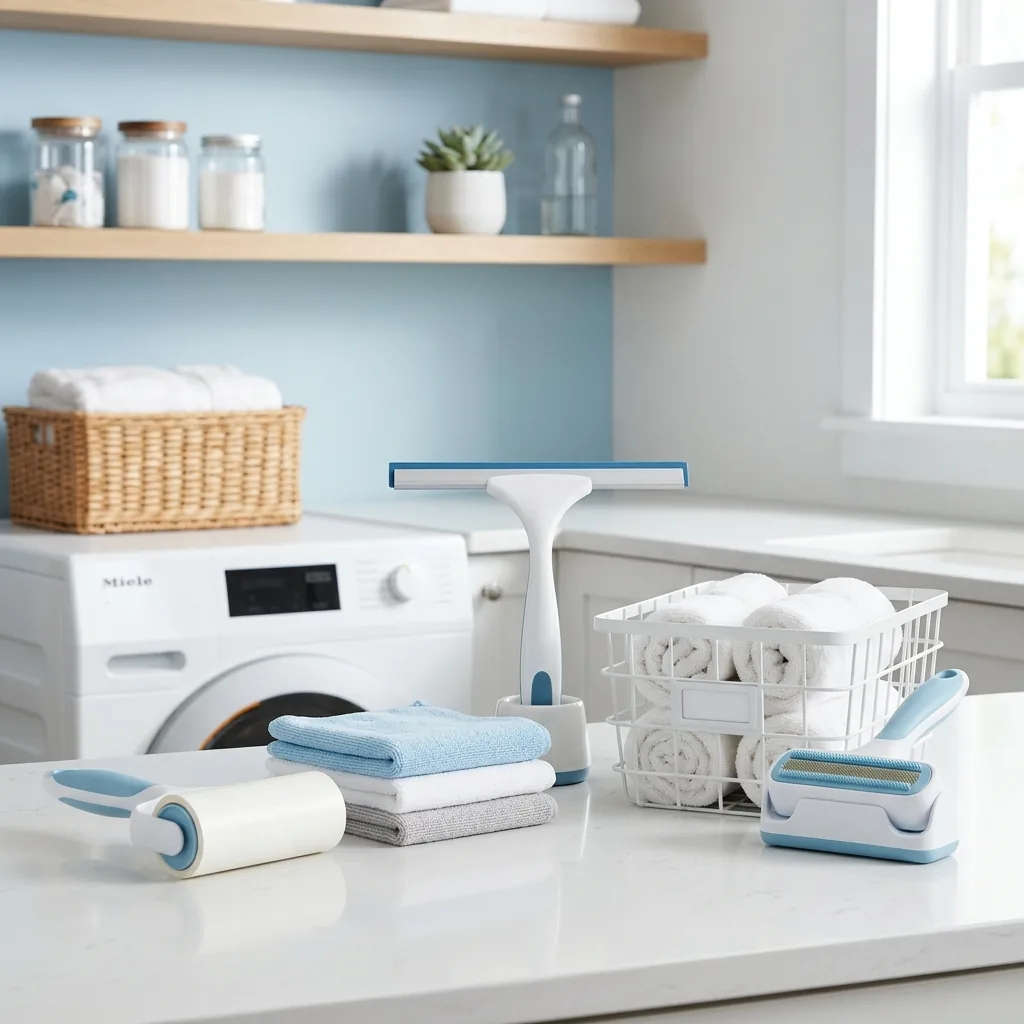
Maintaining a comfortable and functional family environment requires clean organization, safety precautions, and smart planning. When researching microfiber cloths, many homeowners find themselves overwhelmed by conflicting advice and cheap single-use solutions. Implementing a professional strategy is essential for saving valuable time and keeping your family routine running smoothly. In this comprehensive guide, we cover the vital aspects of microfiber cloths vs. paper towels: the real comparison to help you choose the best systems and products. By aligning our recommendations with certified CDC sanitization standards and focusing on hand-tested quality, we guarantee solutions that work for busy American households.
The Strategic Role of Microfiber Cloths
Implementing the correct techniques for microfiber cloths is not just about aesthetics; it is about creating a healthy, stress-free household. Daily chores and family coordination can cause significant stress when proper systems are not in place. For instance, an unorganized cabinet or an unsecured pet harness can disrupt your daily peace. Investing in durable, high-quality materials ensures safety, longevity, and peace of mind. By focusing on smart design, you can eliminate clutter and establish order in your daily life. Explore our curated Zydak Cleaning Care store to discover premium products designed to elevate your everyday routines.
Comparative Analysis: Selecting the Best Options
Before adding new gear or tools to your household, it is essential to evaluate specifications, durability, and safety standards. To make this process straightforward, we compiled a comparison grid detailing the top methods and materials for microfiber cloths. Review the specifications below to select what fits your family size, budget, and specific household constraints:
| Cleaning Utility | Efficacy Rating | Lifespan / Wash Count | Ideal Surface Use |
|---|---|---|---|
| Split Microfiber Cloths | 80% polyester, 20% polyamide, ultra-dense | Traps dust particles via positive electrostatic charge | Lifts grease, absorbs 8x its weight in liquid |
| Terry Cotton Towels | 100% natural organic terry cotton weave | Soft and absorbent, ideal for spills and hand-drying | Spreads dust and lint, slow to dry out |
| Disposable Paper Towels | Bleached cellulose paper, single-use roll | Convenient cleanups, high hygiene for food surfaces | Creates high waste, tears easily when wet |
Step-by-Step Implementation & Best Practices
Achieving success with microfiber cloths requires a structured method. Instead of sorting everything in a single day, focus on small, consistent habits. Use the following structured checklist to review your current systems and implement professional-grade safety and storage adjustments:
- Washing rule: Wash microfiber separately from cotton to prevent lint from clogging fibers.
- Chemical warning: Never use fabric softeners or bleach on microfiber; it ruins the static charge.
- Stain routine: Blot liquid spills immediately from the outside in; never scrub, which spreads stain.
- Tool storage: Hang wet squeegees, mops, and cleaning brushes to air-dry and prevent mold growth.
- Pet allergy tip: Vacuum upholstery first, then pull a rubber scraper to collect deep-set fur.
Common Pitfalls to Avoid
Many families make the mistake of buying cheap plastic alternatives or non-regulated pet supplies to save money. This frequently results in product failure, double-buying, and in worst-case scenarios, safety hazards. For kitchen and daily care, always look for food-grade certificates and BPA-free plastics. For pet gear, check buckle tensile strengths and fabric denier. When it comes to organization, avoid storing items in opaque bins without labels, which leads to forgotten inventory and grocery waste.
❓ Frequently Asked Questions (Microfiber Cloths)
Q: Why should I avoid using fabric softener on microfiber cloths?
Fabric softeners coat the microscopic fibers with a thin layer of wax. This clogs the tiny crevices that trap dust and eliminates the electrostatic charge that makes microfiber so effective.
Q: What is the most effective way to eliminate pet dander from carpets?
Vacuum slowly in multiple directions using a HEPA-filter vacuum, then use an electrostatic or rubber scraping tool to pull out fine hairs that vacuum brushes miss.
Key Takeaways & Conclusion
Optimizing your home for microfiber cloths is a powerful investment in your family’s overall well-being. By utilizing durable, tested materials and following structured guidelines, you can streamline household chores and keep your living spaces organized. For premium storage, safe pet travel gear, and time-saving kitchen tools, shop our full collection with free US shipping on orders over $39. Start building your smart, simplified home today.